Strength
Build the force, control, and foundational capacity athletes need to tolerate training and express athletic skill.
 Book assessment
Individual + Semi-Private Training
An individualized development plan for middle school and high school athletes who want to move better, get stronger, become more explosive, and compete with confidence.
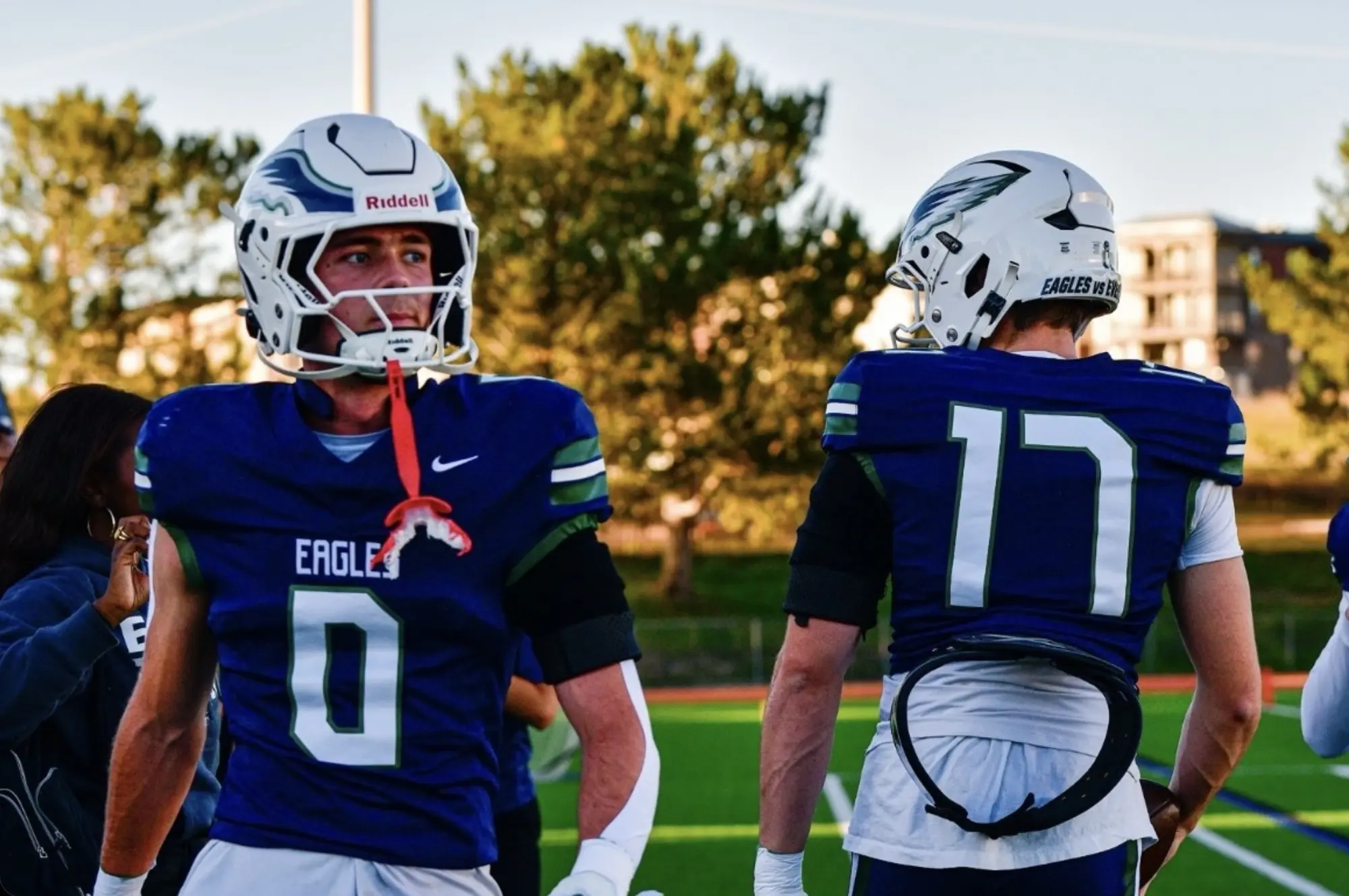
The COR1 approach
COR1 connects strength, speed, power, and movement instead of training each quality in isolation. The plan reflects the athlete’s sport, age, training history, season, goals, and objective baseline—and coaching is adjusted as the athlete develops.
Build the force, control, and foundational capacity athletes need to tolerate training and express athletic skill.
Improve acceleration and upright sprint mechanics while learning how to apply speed in field and court environments.
Develop the ability to produce force quickly through jumping, throwing, sprinting, and explosive strength work.
Coach deceleration, change of direction, coordination, balance, and efficient athletic positions.
Inside the program
Athletes may train one-on-one or in focused semi-private groups of two to four. The right format depends on age, experience, schedule, and how much individual attention the athlete needs.
Each session begins by preparing the positions, ranges of motion, and movement patterns required for the day’s work.
Athletes sprint, jump, throw, or change direction while fresh so technique and intent remain high.
Age-appropriate strength work develops the foundation for force production, control, and long-term progress.
Sessions finish with targeted conditioning, competitive tasks, or sport-relevant movement based on the athlete’s needs.
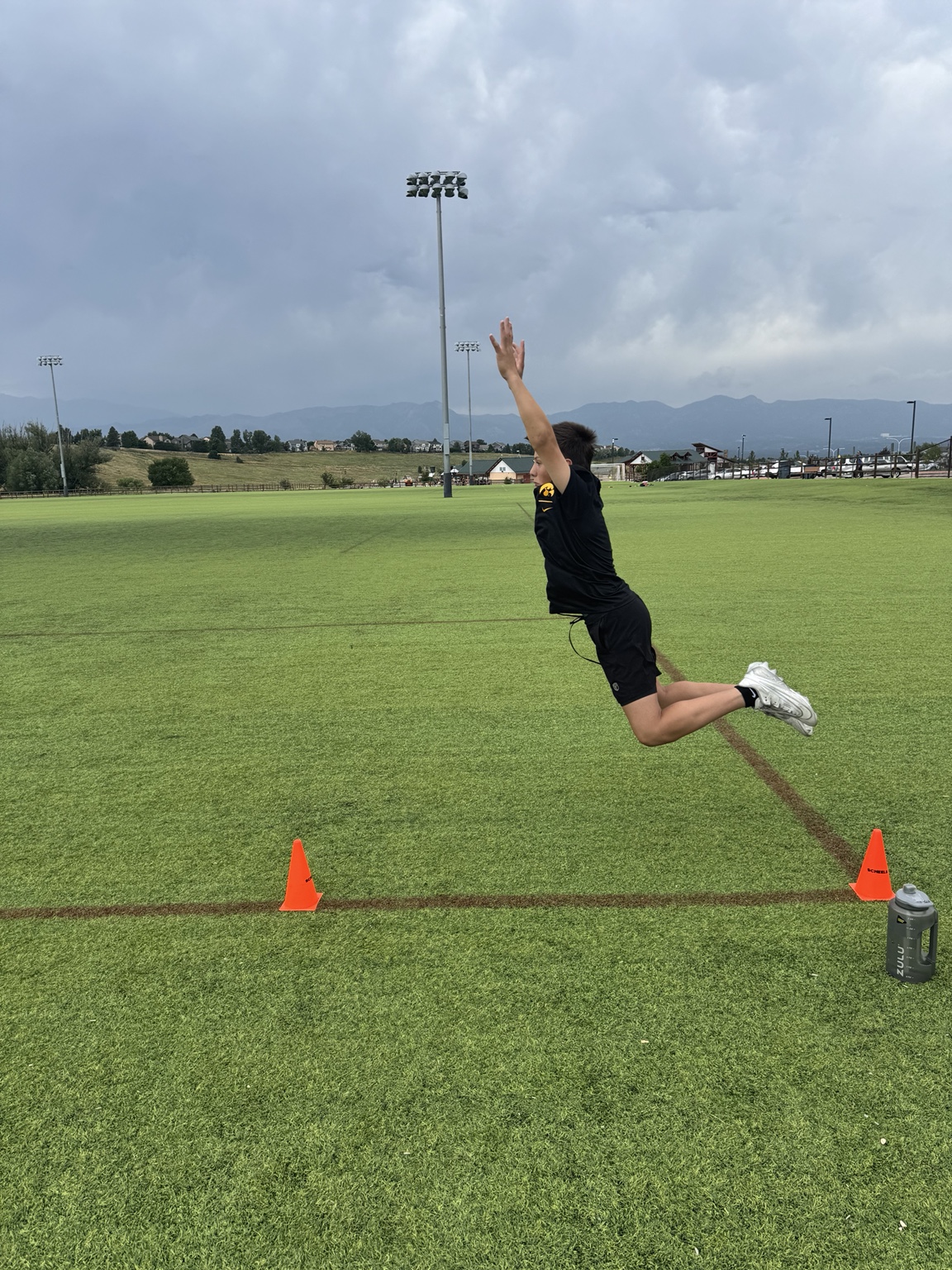
Power in motion
Jumping, sprinting, braking, and reaccelerating give athletes opportunities to express force quickly. COR1 coaches those qualities with clear intent, progressive challenge, and feedback the athlete can use.
Objective feedback
Testing is selected because it changes decisions. Parents and athletes receive a clear explanation of the results, priorities, and next training phase.
What to expect
Discuss goals and establish a useful baseline for the athlete—not a one-size-fits-all test battery.
Identify the few qualities that will create the greatest performance return in the current phase.
Coach technique, progress workload, and adjust the plan as the athlete responds.
Use repeated measures to show progress, update priorities, and keep development moving forward.
Built for your athlete
Frequently asked questions
Most athletes benefit from consistent weekly exposure. The appropriate frequency depends on sport practices, competition, training age, and the athlete’s current workload. COR1 helps families choose a realistic schedule.
Age-appropriate strength training emphasizes technique, control, progressive loading, and coaching. The program is scaled to the athlete’s maturity and experience—not simply made lighter from an adult workout.
Yes. In-season training typically uses lower volume and focused priorities so the athlete can maintain or develop key qualities without ignoring practices and games.
Athletes often notice improved confidence and movement quality early, while measurable physical changes require consistent training over time. Baseline and repeat testing make that progress visible without promising a fixed result.
Start with COR1
Start with a clear baseline and an individualized plan for your athlete.