Speed
Acceleration and flying sprint timing separate first-step ability from top-end speed.
 Book assessment
Objective Athlete Testing
A clear athletic profile that identifies strengths, exposes priorities, and gives athletes and parents a meaningful way to track development.
The COR1 approach
Testing should guide training, not simply produce a collection of scores. COR1 selects measures based on the athlete’s sport and goals, explains the results in plain language, and turns the profile into practical priorities.
Acceleration and flying sprint timing separate first-step ability from top-end speed.
Vertical jump, broad jump, and reactive measures show how the athlete produces and reuses force.
Change-of-direction and deceleration tasks reveal braking strategy, control, and reacceleration ability.
Strength, single-leg power, sprinting, and movement measures help inform readiness decisions.
Inside the program
A useful assessment is repeatable and relevant. COR1 avoids testing for entertainment and prioritizes measures that can actually change the training plan.
The assessment is matched to the question: performance development, speed profiling, progress tracking, or return to sport.
Results are organized so athletes and parents can see current strengths, gaps, and the few priorities that matter most.
Numbers are placed in context with training history, sport demands, side-to-side findings, and movement observations.
Testing ends with recommended next steps and a logical retest window—not a data sheet with no direction.
Tools that improve decisions
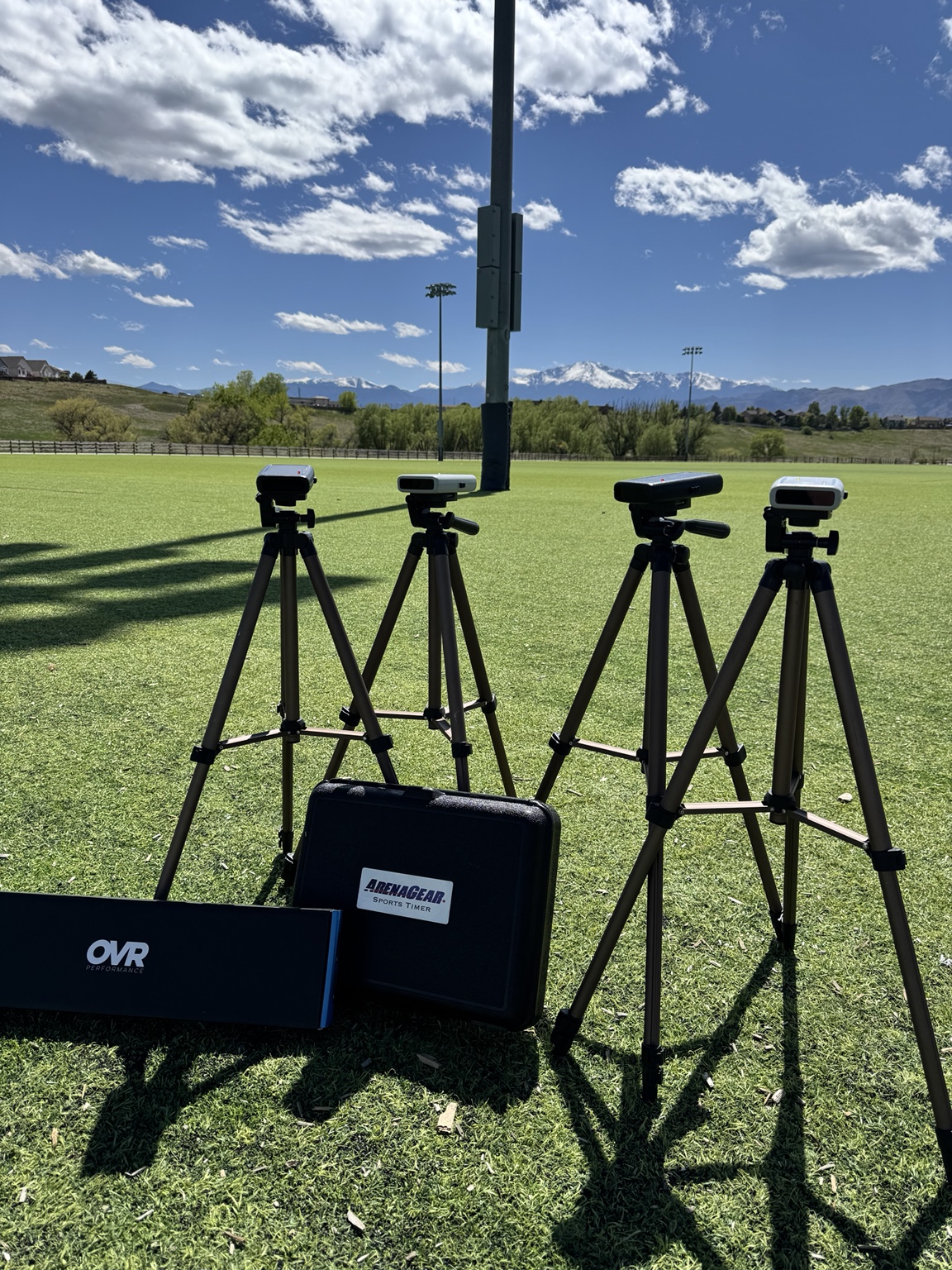
Consistent equipment and setup make repeat testing useful. COR1 uses electronic timing to reduce guesswork, compare meaningful changes, and connect results to the athlete’s next training priorities.
Objective feedback
Testing is selected because it changes decisions. Parents and athletes receive a clear explanation of the results, priorities, and next training phase.
What to expect
Clarify the athlete’s sport, goals, current training, and the decision the assessment needs to support.
Complete a focused, coached battery with consistent setup and high-quality efforts.
Translate results into an understandable profile rather than leaving families with raw numbers.
Use the findings to select training priorities and schedule repeat testing when it will be meaningful.
Built for your athlete
Frequently asked questions
No. A core set of repeatable measures may be used, but the battery is adjusted for age, sport, goals, injury history, and the question the family needs answered.
Retesting should follow enough consistent training for adaptation to occur. The right interval depends on the program phase, competition schedule, and measures being tracked.
Families receive a clear explanation of results, current priorities, and recommended next steps. The goal is for both parent and athlete to understand what the numbers mean.
Yes. Standalone testing can establish a baseline or provide a progress check. Training recommendations can then be discussed based on the findings.
Start with COR1
Start with a clear baseline and an individualized plan for your athlete.